
It's a boy!

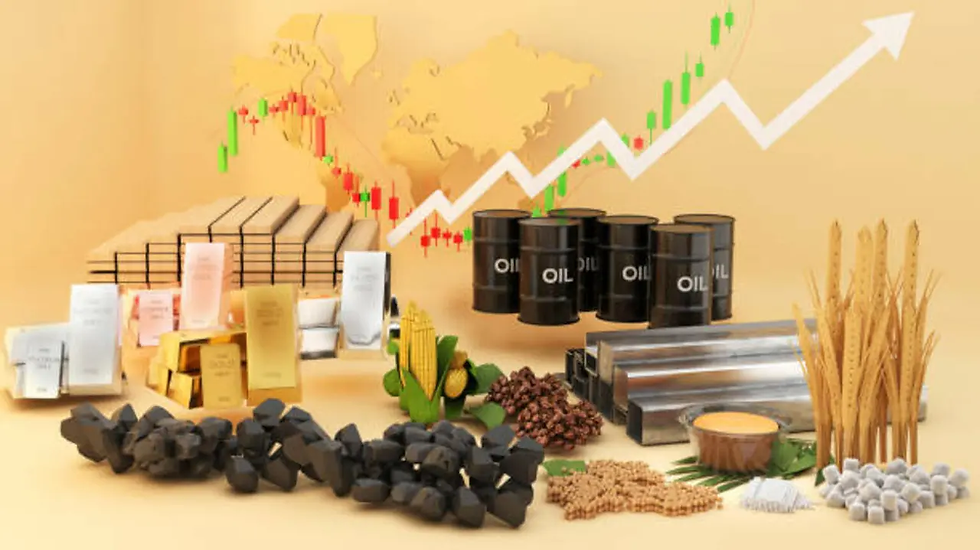
Image: https://www.shutterstock.com/image-illustration/commodities-such-coal-tar-gold-cotton-2497060969
This year is projected to be the strongest El Niño in decades, yet most commodity futures prices haven’t been affected yet. Cocoa prices are down roughly 17% from their August high, Arabica prices are down 6% this month, and palm oil is down 7% this month as well. Meanwhile, August was the hottest month on record this year, and the part of the Pacific Ocean that records El Niño was 3.1 degrees Celsius warmer than usual. To put that into perspective, the last major commodity futures craze caused by El Niño was in 2015, when the recorded temperature for that part of the Pacific was only 3.0 degrees Celsius warmer than usual.
Global oceans had their warmest month in August in the prior 2,120 months on record, which should be ringing alarm bells for investors and traders alike. The interesting part about El Niño, however, is that it affects certain crops differently; a lack of rain in one area can cause a surplus in another. What could drive up a crop's supply in one area could tank it in another. While most traders treat this as a bullish event for all commodity futures markets, the phenomenon is really another beast entirely. Speculative funds have been building up large positions in soybeans and corn, while wheat has been on a tear this year. Historically, grain prices shoot up during La Niña years, which means the squeeze on wheat could last quite a while.
But what does this mean for everyday people, rather than commodities traders or agriculture firms? These markets matter because they affect the global supply chain and economy. Rising input prices always trickle down to outputs, as we have seen with crude oil lately. Even soaring beef prices have left the Trump administration scratching their heads. These may seem uninteresting to the average consumer or college student, but paying your grocery bill when these things get out of hand is certainly eye-catching. This year’s inflation numbers have been cooler than expected, especially with the smorgasbord of breaking news. Sooner or later, rising input prices will show up in headline inflation numbers.
Other affected commodities are palm oil, which is suffering from the Indonesian wildfires that are raging due to the rise in temperature and lack of water; sugar, whose Brazilian production has been cut back in favor of ethanol; and coffee, which needs a very specific environment to grow, but is getting too much rain in Brazil and not enough in Vietnam and Colombia. Fertilizer is also suffering from global supply chain chokepoints because of the ongoing conflicts in Russia/Ukraine and Iran, squeezing farmers in the US, not to mention the aforementioned areas. The economy goes through cycles, and the red-hot equities market may well overshadow these commodities market many Americans have enjoyed this decade.
Sources:



Comments